Thursday, November 17, 2011

Learn How to Treat the Symptoms of Allergies

Allergies can cause a lot of different issues such as a runny nose and stuffy head. In the spring time you will notice that you may wake up more often with a runny nose and this is because there is more pollen in the air. When you feel something coming on then you need to take some medication so that it will not get worse. It is a good idea to go to your local pharmacy and get a recommendation on what works best. There is always new medication on the market so you will not have a problem finding something that works.
If the symptoms that you are having get worse, then you should visit your local doctor. In most cases they can give you a simple antihistamine that will clear it up. You may want to ask them about allergy pills as well because they can help to prevent the symptoms from starting. This is a preventative measure and during the spring time you should be seeking out medication that help to avoid getting allergies.
Washing your hands and avoiding contact with people who have allergy symptoms is a smart thing to do. If someone that you work with is sneezing and seems to have an allergy problem then make sure that you try to avoid them. It is easy to catch an allergy from someone else because they can spread. During the peak season o the year you have to be careful because this is when it is more common that people are having issues.
You may to consider taking vitamins to build up your immune system. The more you can do this the better the chance is that you do not get an allergy. The thing you want to remember is to try to protect yourself from getting sick. This means that you should do several things to avoid catching or developing a bad allergy cold. Talk to your doctor and see if they have a recommendation for you as well. They can give you a Vitamin B shot that will help to protect you.
Remember that allergies strike at certain times of the year so make sure you protect yourself. Another way to keep from getting allergies is to get an allergy test to see if you are allergic to anything. You might find that a certain food makes you break out in an attack. This is real good information to know because it can help you to choose foods that you are not allergic to.
Bryan Burbank is an expert in the field of Health and Well Being.

Wednesday, November 16, 2011

Tips To Make Herbal Remedies At Home For Headache Relief

Headaches vary in their severity, from mild irritable headaches to severe migraines associated with nausea. Headaches can be triggered by many situations. Being stuck in a traffic jam, being out in the hot sun, pending work files piled up on your table, a cold, constipation, dehydration, the list of situations that can trigger a headache goes on. There are preventive measures that can be taken immediately when you realize the pain starting. Drinking a glass of water can help at times. Lying down with your eyes closed can be relaxing. Taking deep breathes and practicing yoga can also be helpful. There are herbal remedies available to treat and prevent headaches.
Feverfew is a herb known for it properties to prevent and stop headaches. Take a few leaves combines with bay laurels daily to reduce the frequency and severity of migraine headaches. Gingko leaves are also highly beneficial for headaches and can give long term positive effects. Herbs like valerian, skullcap, passion flower and lemon balm can relax you and reduce tension headaches. Make an herbal tea of these herbs at the onset of a headache to prevent the pain from being severe. Chamomile, rosemary, lavender and mint are also herbs that help to relax and are helpful in reducing and preventing headaches. A tea made of coriander and sugar can also be soothing for headache. To prevent the pain, a tea made of cumin, coriander and ginger is also beneficial. Oregano is another herb that can be used for a tea.
To make a herbal head ache pill; mix equal quantities of valerian, chamomile, skullcap, peppermint and rosemary and dry them. Grind the herbs when dried properly and mix the powder with just enough honey to make dough. Roll the dough to pill shapes; dry again and store. This can be a very effective pill during headaches. But these pills should be used within 2 weeks of making.
Massaging your head with rosemary oil can be soothing and can relieve headaches. Almond oil, sesame oil, coconut oil and mustard oil also can be used for head massage.
Applying sandal wood paste on forehead can be helpful during headaches. Make a paste of some clove, cinnamon and almond for application on forehead. Lemon peels can be ground and made a paste and applied on the forehead. A paste of henna flowers in vinegar is good for headaches. Make a paste with cloves and sea salt crystals in milk for application. Another paste for application is one madeof betel leaves and water.
Nasal drops are also effective in relieving headaches. Put a few drops of warm almond oil into both nostrils. Mix half a teaspoon of ginger powder in a tablespoon of milk and use this are a nasal drop.
Inhalation is another method that soothes headaches. Put a few drops of eucalyptus oil in boiling water and inhale the steam. Ginger powder and rosemary also can be used for inhalation. Coriander seeds boiled in water can provide a good steam inhalation for headaches.
Eating bananas can provide relief from headaches. Consuming coffee can also be relaxing and comforting during a headache attack.
Sherlock Danielly is well know for his knowledge in herbal remedies. He used to travel and collect new herbal remedies for common health problems like cold, headache, back pain. He explains herbal remedies used in China, India, Arab and United States for most common ailments.

Wednesday, November 9, 2011

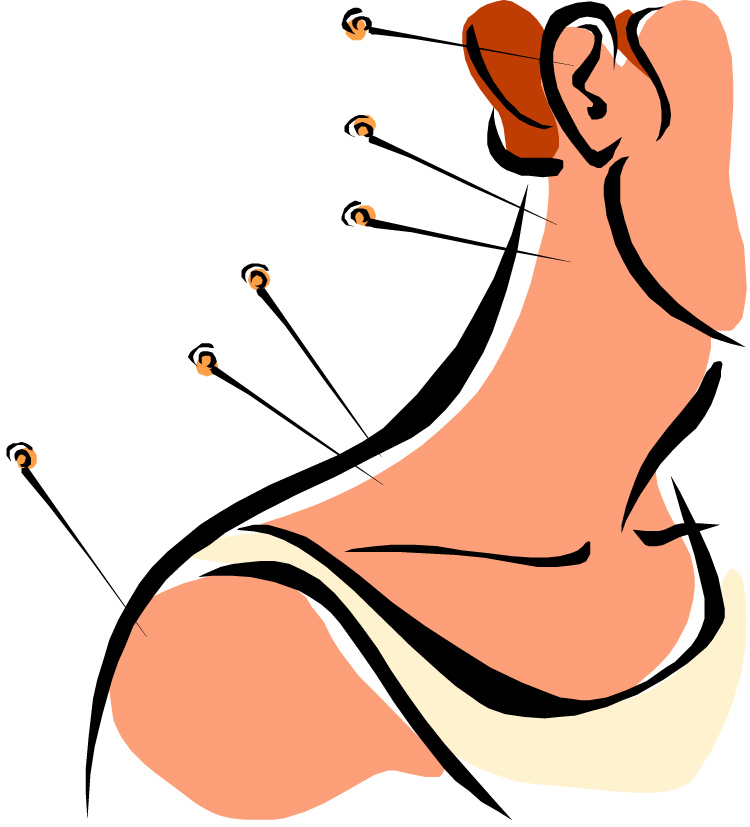
Your Top Five Questions About Acupuncture, Answered!

Have you ever considered trying acupuncture for pain relief or wellness? The answer is probably yes. Because Acupuncture has become so popular in the last few years, many people are interested in trying it or have at least been told by a friend to try it.
Most people I talk to would consider acupuncture but would like to know a little more about the treatment and how it can benefit them. Here are the top five questions that almost every patient asks before beginning treatment.
Does Acupuncture Work?
Yes, acupuncture has worked for centuries and has proven itself over and over again with various conditions. Modern research has demonstrated acupuncture to be effective, and many medical doctors are even referring their patients to acupuncturists for treatment.
How Does Acupuncture Work?
Acupuncture helps the body achieve balance by stimulating various points in the body called meridians. The needles are inserted into the meridians to help balance the energy flow called Qi. When proper energy flow and balance are restored, all of the organs and systems function in harmony and the body can then begin to heal itself.
What Conditions can Acupuncture Help?
Acupuncture has been successful with many conditions and can also be used in a wellness program to keep the body functioning at it's best. Some of the most common conditions helped by acupuncture are, back pain, neck pain, knee pain, headaches, plantar fascitis, tennis elbow, neuropathy, radiculopathy, disc problems, fertility, insomnia, TMJ, and many more conditions.
Does Acupuncture Hurt?
No, acupuncture does not hurt. The needles used in acupuncture are very fine and cause little or no pain when inserted into the meridians. Many patients, even the most needle phobic, remark that they barely feel a thing and report that they feel more relaxed during the acupuncture session than they remember being in a long time.
How Much Does Acupuncture Cost?
Acupuncture is very affordable and usually ranges between $50 and $75 per treatment. The cost depends on duration, number of points stimulated, and if electro-stimulation is used. Many insurance companies even cover the cost of the acupuncture session.
Hopefully you have most of your questions about acupuncture answered. If you are ready to give Acupuncture a try I suggest finding a local Acupuncturist and scheduling a free consultation to see if Acupuncture can help you. Remember acupuncture isn't just for pain relief and symptom care. Acupuncture is a form of wellness care that can help keep your body functioning at its best and stay well!
Jennifer L. Wise, DC
To find out more about Synergy Institute and Naperville Acupuncture. Visit our Website at http://www.SynergyPainRelief.com to find out more, and sign up for our FREE Acupuncture Special.